Musculoskeletal Disorders
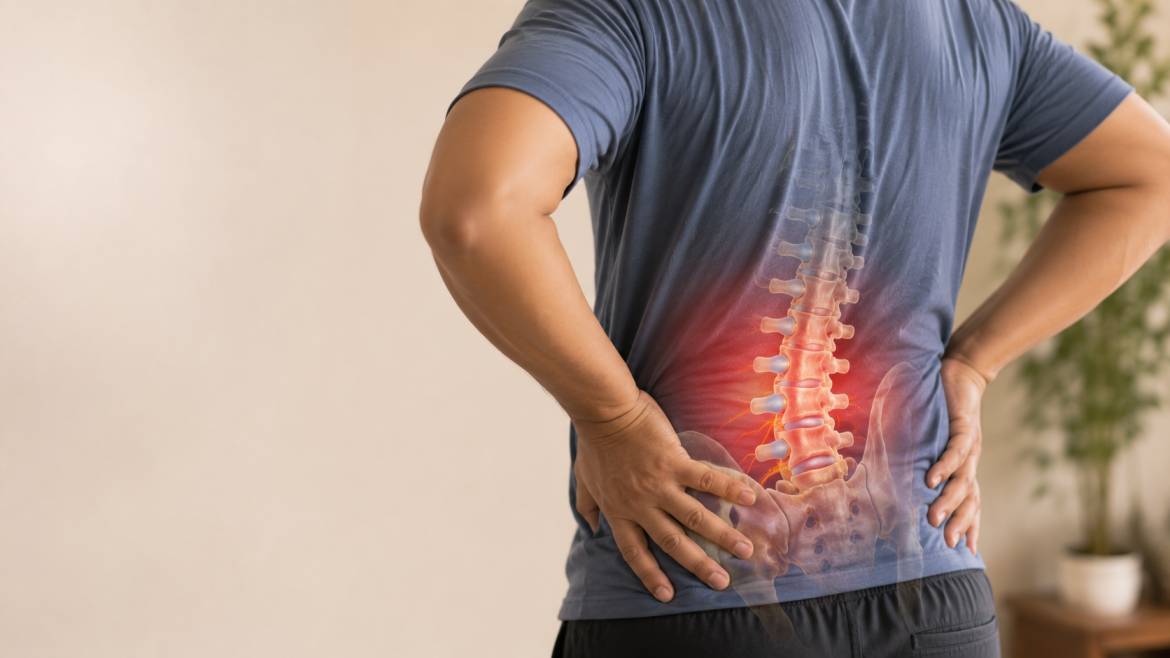
The musculoskeletal system is the body’s complex framework of bones, muscles, joints, ligaments, tendons, cartilage, and connective tissues. It provides structural support, protects vital organs, maintains posture, and enables movement. Any condition affecting these structures can lead to pain, stiffness, reduced mobility, and decreased quality of life.
Musculoskeletal disorders (MSDs) are among the most common health problems worldwide and are a leading cause of disability, chronic pain, and rehabilitation needs. More than 150 different disorders affect the musculoskeletal system, ranging from arthritis and osteoporosis to back pain and soft tissue injuries.
Understanding the Musculoskeletal System
Modern medicine broadly classifies the musculoskeletal system into three major components:
1. Skeletal System
The skeletal system consists of bones, joints, cartilage, and supporting structures. It provides body shape, protects internal organs, stores minerals, and forms the framework for movement.
2. Muscular System
The muscular system comprises muscles that generate movement, maintain posture, and support daily physical activities.
3. Connective Tissue System
This includes ligaments, tendons, fascia, cartilage, and other connective tissues that stabilize joints and connect muscles to bones.
Common Types of Musculoskeletal Disorders
Joint Disorders
Joint diseases are among the most common musculoskeletal conditions and can significantly affect mobility and quality of life.
- Osteoarthritis (OA): Degeneration of joint cartilage leading to pain and stiffness.
- Rheumatoid Arthritis (RA): An autoimmune disorder causing chronic joint inflammation.
- Gout: Caused by uric acid crystal deposition in joints.
- Ankylosing Spondylitis: A chronic inflammatory disease primarily affecting the spine and sacroiliac joints.
Back and Neck Disorders
Back and neck pain are major causes of disability worldwide.
- Herniated (slipped) disc
- Sciatica
- Spinal stenosis
- Cervical and lumbar spondylosis
- Degenerative disc disease
- Chronic mechanical back pain
Soft Tissue Disorders
These conditions affect muscles, tendons, ligaments, and bursae.
- Tendinitis (inflamed tendons)
- Bursitis
- Rotator cuff injuries
- Trigger finger
- Ligament sprains and strains
- Myofascial pain syndromes
Bone Disorders
Conditions affecting bone strength and structure.
- Osteoporosis (weak and brittle bones)
- Osteopenia
- Stress fractures
- Age-related bone degeneration
Repetitive Strain and Nerve Compression Disorders
Often associated with occupational or repetitive activities.
- Carpal Tunnel Syndrome
- Cubital Tunnel Syndrome
- Tennis Elbow (Lateral Epicondylitis)
- Golfer’s Elbow (Medial Epicondylitis)
- Repetitive Stress Injuries (RSI)
Muscle Disorders
- Fibromyalgia
- Sarcopenia (age-related muscle loss)
- Muscular Dystrophy
- Chronic muscle pain and fatigue syndromes
Common Symptoms of Musculoskeletal Disorders
Symptoms vary depending on the affected structure but may include:
- Joint pain and stiffness
- Muscle aches and tenderness
- Swelling and inflammation
- Reduced range of motion
- Difficulty walking or performing daily activities
- Back or neck pain
- Muscle weakness
- Numbness or tingling sensations
- Fatigue and reduced physical endurance
- Joint deformities in advanced cases
Risk Factors for Musculoskeletal Disorders
Several factors can increase the likelihood of developing MSDs:
- Advancing age
- Obesity and excess body weight
- Poor posture
- Sedentary lifestyle
- Repetitive movements
- Heavy physical work
- Sports injuries
- Nutritional deficiencies
- Hormonal changes, especially after menopause
- Family history and genetic predisposition
- Autoimmune disorders
- Smoking and excessive alcohol consumption
Possible Complications
If left untreated, musculoskeletal disorders may lead to:
- Chronic pain
- Progressive joint damage
- Reduced mobility and flexibility
- Muscle wasting and weakness
- Postural abnormalities
- Difficulty performing routine activities
- Increased risk of falls and fractures
- Reduced independence and quality of life
- Psychological effects such as anxiety and depression due to chronic pain
Ayurvedic Perspective on Musculoskeletal Disorders
In Ayurveda, most musculoskeletal diseases are broadly understood under Vata Vyadhi, disorders arising from the aggravation of Vata Dosha. Vata governs movement, nerve impulses, circulation, and musculoskeletal functions. When aggravated, it affects Asthi Dhatu (bones), Sandhi (joints), Mamsa Dhatu (muscles), Snayu (ligaments), and Kandara (tendons), resulting in pain, stiffness, degeneration, and restricted movement.
Certain inflammatory conditions such as Amavata (comparable to Rheumatoid Arthritis) involve the accumulation of Ama (metabolic toxins) along with aggravated Vata, leading to swelling, pain, and systemic symptoms.
Ayurvedic Treatment Approach
Ayurvedic management aims not only to relieve symptoms but also to address the root cause, restore doshic balance, improve tissue nourishment, and prevent disease progression.
Treatment During the Ama Stage
When inflammation, heaviness, and toxin accumulation are predominant, treatment focuses on:
- Langhana (lightening therapies)
- Deepana (enhancing digestive fire)
- Pachana (digesting Ama)
- Therapeutic Kashayas such as:
- Amritottara Kashaya
- Rasna Saptaka Kashaya
- Other Ama-reducing formulations
Treatment During the Vata-Dominant Stage
Once Ama is cleared, therapies focus on pacifying aggravated Vata.
- Snehana (Oleation Therapy)
- Swedana (Therapeutic Sudation/Fomentation)
- Basti (Medicated Enema Therapy) – considered the most effective treatment for Vata disorders
- Virechana when Pitta involvement is present
- Raktamokshana in selected inflammatory conditions
Panchakarma Therapies for Musculoskeletal Disorders
Basti Therapy
Known as the “King of Treatments” for Vata disorders, Basti helps nourish tissues, reduce pain, improve joint mobility, and slow degenerative changes.
Abhyanga
Full-body therapeutic oil massage that improves circulation, reduces stiffness, and nourishes muscles and joints.
Swedana
Medicated steam and fomentation therapies help relieve pain, stiffness, and muscle spasm.
Pinda Sweda
Herbal bolus fomentation used for muscular pain, osteoarthritis, and degenerative disorders.
Kati Basti
A specialized treatment where warm medicated oil is retained over the lower back, beneficial for low back pain, sciatica, and lumbar spondylosis.
Janu Basti
Warm medicated oil pooling over the knee joint, useful in osteoarthritis and knee pain.
Upanaha Sweda
Application of medicated herbal poultices to reduce pain and inflammation.
Agnikarma
A specialized para-surgical procedure described in Ayurveda for chronic pain management and certain musculoskeletal conditions.
Ayurvedic Medicines Commonly Used
Depending on the patient’s constitution and disease stage, Ayurvedic physicians may prescribe:
- Yogaraj Guggulu
- Mahayogaraj Guggulu
- Simhanada Guggulu
- Rasna Erandadi Kashaya
- Dashamoola Preparations
- Maharasnadi Kashaya
- Shallaki-based formulations
- Castor (Eranda) preparations
- Ashwagandha and Bala formulations for strength and rejuvenation
Our Process – How We Help You Heal
Begin your journey from illness to wellness with our expert Ayurvedic care. Take the first step today and experience natural healing that lasts.
01.
Detailed Ayurvedic Consultation
Our doctors take the time to understand your body constitution (Prakriti), health history, daily habits, and stress levels to find the root cause.
02.
Personalized Treatment Plan
You receive a custom plan including herbal formulations, diet, home remedies, and lifestyle corrections suited to your specific imbalance.
03.
Internal & External Therapies
Mild therapies like Abhyanga, Shirodhara, or steam may be advised for better results.
04.
Long-Term Wellness Guidance
We help you form routines that prevent recurrence, improving immunity and energy levels naturally.
Why Choose Rao Ayurveda Hospital for General Treatment?
Natural relief without side effects
Long-term solutions instead of temporary medicine
Better digestion, sleep, skin, energy, and mental clarity
A stronger immune system
A balanced and healthier lifestyle