Low Back Ache (Low Back Pain)
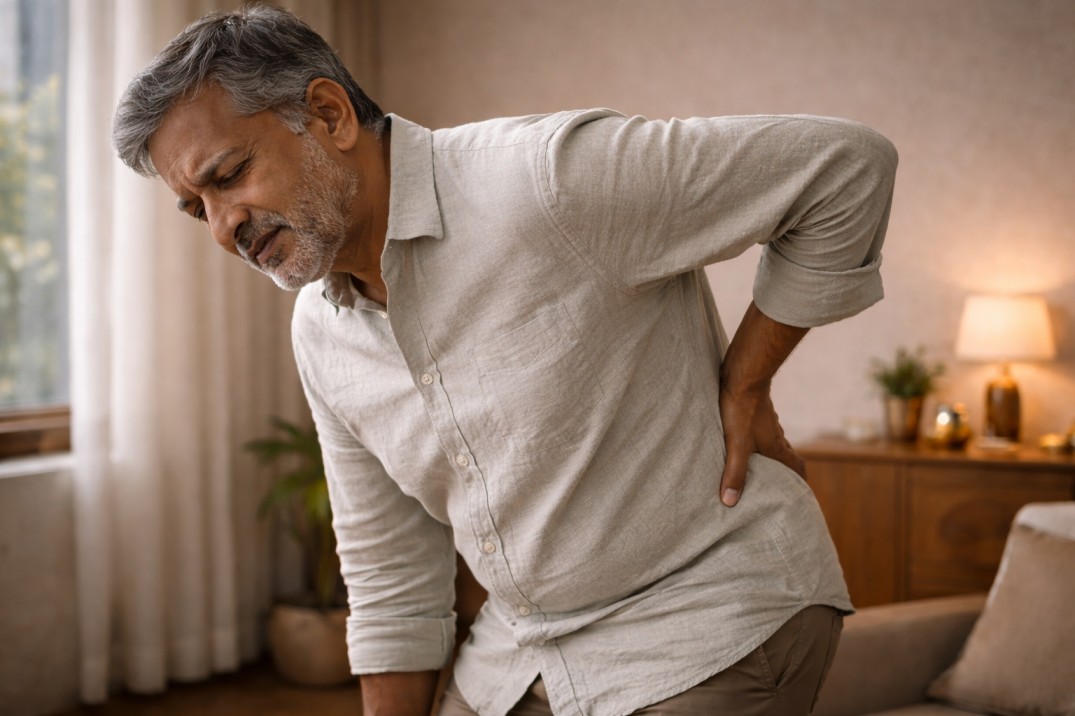
Low back ache, commonly referred to as low back pain, is a widespread musculoskeletal condition affecting individuals across all age groups. It involves pain or discomfort in the lumbar (lower) region of the spine, an area responsible for supporting body weight, maintaining posture, and facilitating movement.
The condition may present as acute pain lasting a few days to weeks or progress into chronic pain persisting for more than three months. If not managed appropriately, it can significantly impact daily activities, work productivity, and overall quality of life.
Understanding the Lumbar Spine
The lumbar spine is a complex structure composed of vertebrae, intervertebral discs, facet joints, ligaments, muscles, and nerves. These components work in coordination to provide stability and flexibility.
- Intervertebral discs act as shock absorbers
- Muscles and ligaments provide support and movement
- Nerves transmit signals between the brain and lower body
Any strain, degeneration, inflammation, or compression affecting these structures can lead to pain, stiffness, and restricted mobility.
Causes & Risk Factors
Low back ache is usually multifactorial and may develop due to:
- Muscle or Ligament Strain: Sudden movements, improper lifting, or overexertion
- Intervertebral Disc Disorders: Disc bulge or herniation causing nerve compression
- Degenerative Changes: Age-related wear and tear such as lumbar spondylosis
- Postural Imbalance: Prolonged sitting, especially with poor ergonomics
- Sedentary Lifestyle: Weak core muscles leading to inadequate spinal support
- Obesity: Increased mechanical stress on the spine
- Nerve Compression (Sciatica): Radiating pain from back to legs
- Injury or Trauma: Falls, accidents, or sports-related strain
- Occupational Factors: Long hours of desk work, driving, or physically demanding jobs
Symptoms
The clinical presentation may vary depending on severity and underlying cause:
- Persistent dull ache or sharp, shooting pain in the lower back
- Stiffness, especially after rest or prolonged sitting
- Pain aggravated by bending, lifting, or sudden movements
- Radiating pain to hips, buttocks, thighs, or legs
- Tingling, numbness, or weakness in lower limbs
- Reduced flexibility and difficulty in standing or walkingAyurvedic Perspective
In Ayurveda, low back ache is correlated with Katigraha, primarily resulting from the aggravation of Vata Dosha. Vata governs movement, nerve function, and structural stability. When aggravated due to improper diet, lifestyle, stress, or aging, it leads to dryness, degeneration, and pain in the lumbar region. This results in symptoms like pain (Ruk), stiffness (Stambha), and restricted movement.
Ayurvedic Treatment Approach
Our treatment protocol is designed to address the root cause, reduce inflammation, nourish tissues, and restore mobility.
🔹 External Therapies
- Abhyanga (Medicated Oil Massage):
Improves circulation, reduces muscle stiffness, and pacifies aggravated Vata
- Kati Basti:
A specialized therapy where warm medicated oil is retained over the lower back, providing deep nourishment to discs and muscles
- Swedana (Fomentation Therapy):
Relieves stiffness, improves flexibility, and reduces pain
🔹 Internal Management
- Herbal formulations tailored to the patient, including:
◦ Dashmoola: Anti-inflammatory and Vata balancing
◦ Guggulu preparations: Support joint and disc health
◦ Ashwagandha: Strengthens muscles, nerves, and improves recovery
- Basti Therapy (Medicated Enema):
Considered the most effective treatment for Vata disorders, especially beneficial in chronic and degenerative low back conditions.