
INFERTILITY
Ayurvedic Perspective of Infertility
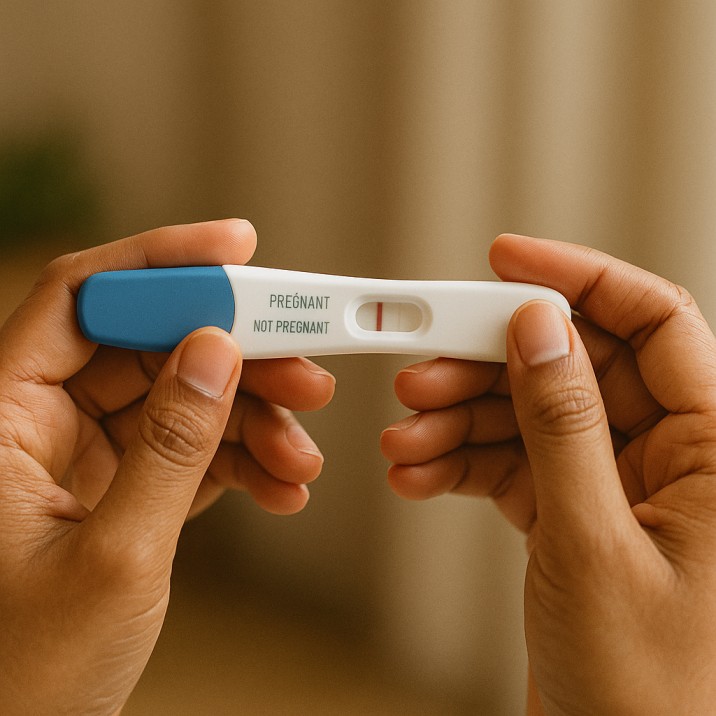
Understanding the causes of infertility is the first step toward healing and reclaiming hope.
Infertility can feel like a hopeless sentence for people dreaming of having a baby. Understanding the basic concept of infertility and how it happens can help us know the problem in a deeper way and try to correct it. We at Dr Rao’s Ayurveda are here to correct the causes of infertility in you and improve the fertility. We have divided the causes of infertility as a whole into the male problems and female problems and combined issues as both contribute for a baby.
Male Infertility

A place where most of them don’t give much importance. Many times male infertility is just overlooked confining to semen analysis alone. But when we introspect it deeply, many underlying causes can be seen. So let’s take a look into the issues of male infertility
- Sexual difficulties – this can be minutely understood as reduced sexual desires, difficulties in ejaculation, reduced volume of ejaculate, difficulties in maintaining the Erection.
- Testicular problems – any lumps, pain or swelling the testicular region
- Recurrent respiratory infection.
- Secondary sexual characteristics- decreased size of penis or testicle, breast formation, reduced hair growth on face and body.
- Abnormalities in semen analysis – reduced sperm count per ejaculate, reduced motility, reduced normal forms, increased Pus cells etc.
These problems make him impotent to produce good sperms, and these are due to the habits or lifestyle changes that he has undergone.
So the culprit here is the lifestyle. Nowadays due to the emerging changes in the lives of people, mechanization and newer techniques of food habits has taken a greater toll on the lifestyle of people. People over the period have moved into instant preparation or ready to eat preparations. This has led into usage of preservatives and also when needed to produce larger quantities the. Adulteration too. These preservatives and adulterants itself is the major problem in causing infertility as a whole and also increasing the risks of complications in health.Recently, work is given the top most priority in a person’s life than health. Most infertility issues are faced by people who practice sedentary work and overstressed time bound work models. Both the sedentary and stressful life can lead to reduced fertility by causing disruptions in hormones and reduced sexual desires and generalized weakness to the body.
So let's take a glance into the lifestyle causes and environmental causes leading to infertility
- Drug usage – Impact of the drugs are at a higher risk to general health and a major causation of infertility issues. Especially the anabolic steroids taken to increase the muscle strength and growth can affect the testicle to shrink and reduce sperm production. Usage of cocaine and Marijuana can cause reduced sperm count and poor quality of sperms.
- Alcohol and smoking – The most common mannerism, among different ages and by both genders equally. Alcohol can lower testosterone levels and cause erectile dysfunction. Smoking directly decreases the sperm count in men.
- Weight – Obesity can impair fertility in several ways, including directly impacting sperm themselves as well as by causing hormone changes that reduce male fertility.
Understanding the causes and the problems of male infertility let us now look into the preventive techniques.
How to maintain a good sperm quality
- Weight training – exercise and curbing fat intake can help us to keep a check on weight.
- Quit smoking, alcohol and drugs – by practicing to quit these habits can improve the quality of sperms and correct erectile issues.
- Reduce stress – By reducing the stress at work and in life can help regularize the hormones and blood flow in the body which are very essential for having a good sperm.
- Avoid bike riding and wearing tight undergarments – these can reduce the heat in the testicle and help in increased sperm count.
- Reduced exposure to environmental pollution
So taking things seriously and understanding the causes of infertility can help you not only beget a good child but also help have good health.
Female Infertility

Females are given much more importance in infertility cases, because she is having a greater role in beholding and nurturing a baby from the seed to a human.
Let’s take a look into the causes of female infertility:
- Polycystic ovary syndrome (PCOS) – PCOS is a common factor in the majority of ladies. Main issue with PCOS is that it causes hormone imbalance, which affects ovulation. PCOS is associated with insulin resistance, obesity, abnormal hair growth on the face or body, and acne. It’s the most common cause of female infertility.
- Hypothalamic dysfunction – Two hormones, the follicle-stimulating hormone (FSH) and luteinizing hormone (LH) are very much essential for the process of ovulation to happen. Excess physical or emotional stress, very high or very low body weight, can disrupt production of these hormones and affect ovulation. Irregular or absent periods are the most common signs.
- Primary ovarian insufficiency– Also called premature ovarian failure, this is usually caused by an autoimmune response or by premature loss of eggs from the ovary, possibly as a result of genetics or chemotherapy. The ovary no longer produces eggs, and it lowers estrogen production in women under age 40.
- Hyperprolactinemia – The pituitary gland causes excess production of prolactin (hyperprolactinemia), which reduces estrogen production and can cause infertility. This can also be caused by medications taken for other conditions.
• Problems with fallopian tubes – Damaged or blocked fallopian tubes keep sperm from getting to the egg or block the passage of the fertilized egg into the uterus. Tubal block can be caused by infection inside the tube caused due to pelvic inflammatory disease or any previous pelvic surgeries.
Endometriosis
Endometriosis occurs when endometrial tissue gets implanted and grows in other places other than uterine lining. This extra tissue growth — and the surgical removal of it — can cause scarring, which can block fallopian tubes and keep the egg and sperm from uniting.
Endometriosis can also disrupt implantation of the fertilized egg. The condition also seems to affect fertility in less-direct ways, such as damage to the sperm or egg.
Uterine or cervical causes
Several uterine or cervical causes can interfere with the egg implanting or increase the risk of miscarriage:
- Benign polyps or tumors (fibroids or myomas) are common in the uterus. Some can block fallopian tubes or interfere with implantation, affecting fertility. However, many women who have fibroids or polyps do become pregnant.
- Morphological issues – congenital problems with the uterus such as an unusually shaped uterus, can cause problems becoming or remaining pregnant.
- Cervical stenosis, a narrowing of the cervix, can be caused by an inherited malformation or damage to the cervix.
- Sometimes the cervix can’t produce the best type of mucus to allow the sperm to travel through the cervix into the uterus.
Unexplained infertility
In some cases, the cause of infertility is never found. A combination of several minor factors in both partners could cause unexplained fertility problems. Although it’s frustrating to get no specific answer, this problem can correct itself with time. But shouldn’t delay treatment for infertility.
Risk factors
Certain factors can produce greater risks by giving rise to infertility issues
- Age: The quality and quantity of a woman’s eggs begin to decline with age. In the mid-30s, the rate of follicle loss speeds, resulting in fewer and poorer quality eggs. This makes conception more difficult, and increases the risk of miscarriage.
- Smoking: Besides damaging the cervix and fallopian tubes, smoking increases the risk of miscarriage and ectopic pregnancy. It’s also thought to age ovaries and deplete eggs prematurely.
- Weight: Being overweight or significantly underweight may affect ovulation. Getting to a healthy body mass index (BMI) might increase the frequency of ovulation and likelihood of pregnancy.
- Sexual history: Sexually transmitted infections such as chlamydia and gonorrhea can damage the fallopian tubes. So having unprotected sex with multiple partners increases the risk of a sexually transmitted infection that may cause fertility problems later.
- Alcohol: Excess alcohol consumption can reduce fertility.
Prevention
We always know prevention is better than cure, but most of the time we seem to have less understood this phrase. So prevention is the only way to not end up in infertility. So let’s see the method of prevention.

- Maintain a healthy weight. Overweight and underweight women are at increased risk of ovulation disorders. If you need to lose weight, exercise moderately. Strenuous, intense exercise of more than five hours a week has been associated with decreased ovulation.
- Quit smoking and alcohol – Tobacco has multiple negative effects on fertility, as well as your general health and the health of a fetus. Heavy alcohol usage can cause disruptions in hormones and reduce fertility. So it’s better to quit smoking and alcohol if you want a better fertility.
- Reduce stress. Some studies have shown that stress can cause couples to have poorer results with infertility treatment. Try to reduce stress in your life before trying to become pregnant.
Ayurveda - Infertility
- As per ayurveda is concerned, the main principle of treatment is starting from the root cause. Ayurveda identifies problems from its root level and clears it. Infertility in ayurveda is known as Vandhyata. Stree vandhyata can occur due to the 20 yonirogas explained by our acharyas. It deals with the gynecological disorders, seminal disorders and postpartum disorders in women. These are caused by Mithyahara ( wrong dietetics), mithyachara ( wrong or irregular regime), pradushta artava ( menstrual irregularities), beeja dosha ( defective genes, ovum and karma). These are understood as the lifestyle changes, dietary changes and environmental changes that cause these diseases. Hence as a first line of treatment correcting the lifestyle, food and regime is very important. Secondly, removing the toxins accumulated in our body because of these factors and lastly, Improving the quality and quantity of sperms and ovum. Ayurvedic treatments and medicines help in the correction of these and improving the quality of sperm and ovum. Ayurveda also educates about the dinacharya ( daily regimen) and Rithu charya( seasonal regimens) which are very essential to maintain health.
Take the First Step Towards Parenthood