
PREGNANCY DIET: DOS and DON’TS
Pregnancy Diet Guide: What to Eat & What to Avoid
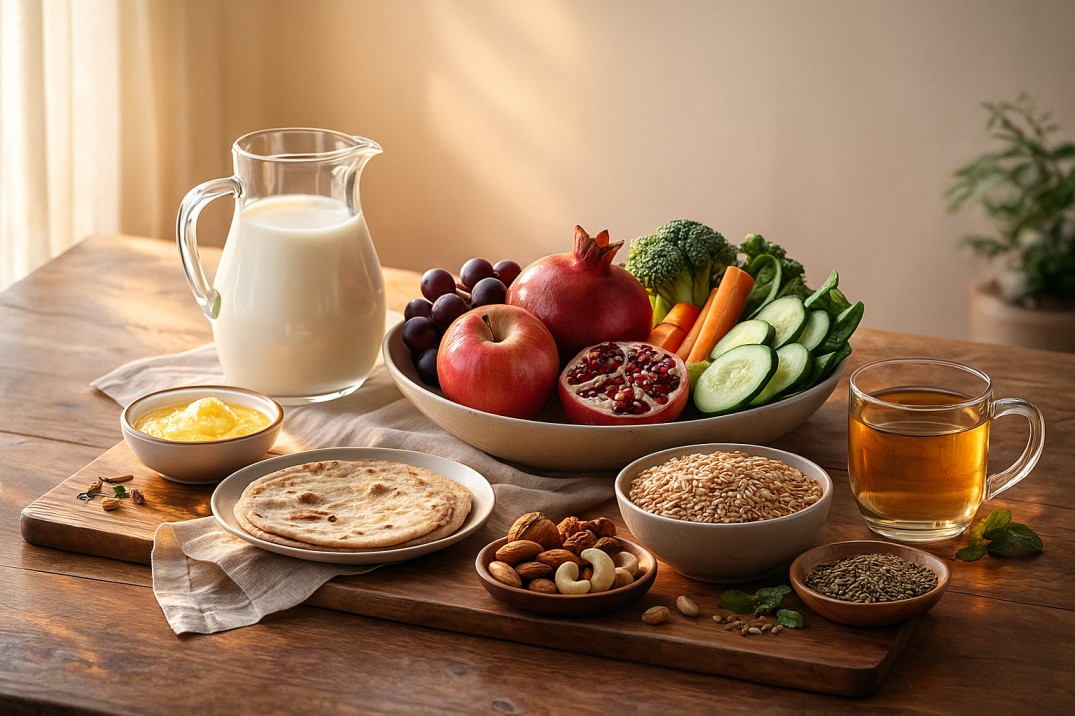
A simple Ayurvedic food roadmap for a healthier mother and a stronger, well-nourished baby.
A healthy dietary regime is one of the most essential aspects in the pregnancy and the growth of the fetus.
According to the vedic texts of Ayurveda, nutrition or energy obtained from the mother’s diet serves three important functions, such as:
- Nourishment of the mother herself
- Nourishment and growth of the baby
- Preparation for formation of breast milk
During pregnancy and delivery every cell of the mother’s body is being transformed, so there is an increased need for a balanced diet with good nutritional value. To meet the desired goal of nutrition, mothers should follow the Ayurvedic dietary recommendations and rules.
According to Ayurveda food is divided into 2
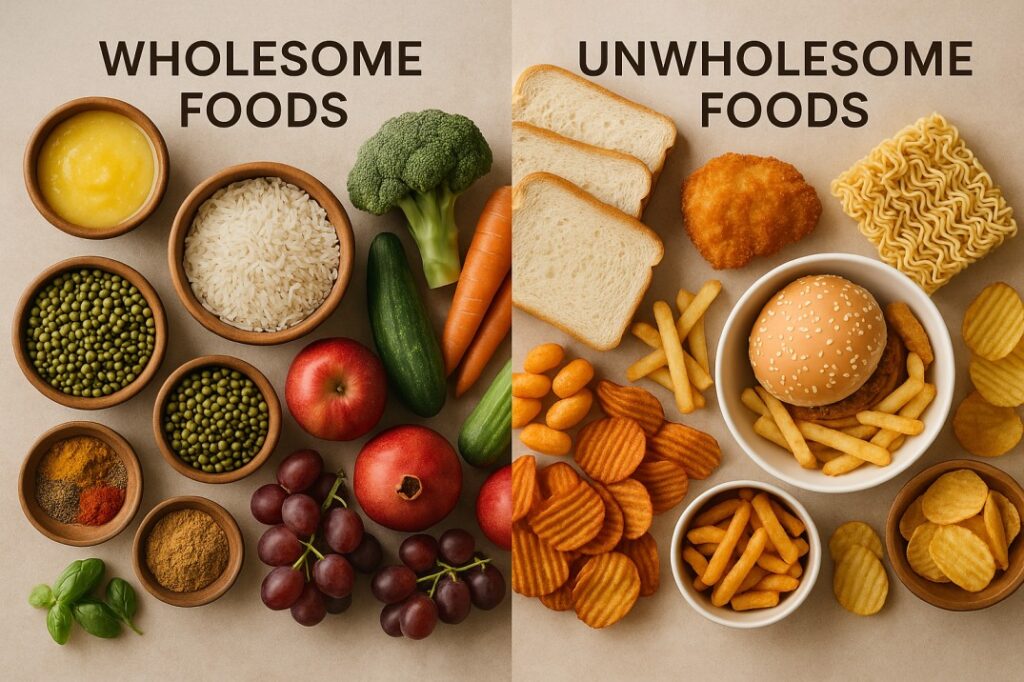
Wholesome (Pathya) Food
Unwholesome (Apathya) Food
Pathya is a sanskrit word that means – belonging to a particular way or being healthy, fit, suitable or appropriate. Pathya, which is the Aahar (food) that calms the mind, is beneficial to the body and provides nutrients and Apathya is opposite of its means which harms the body
Some common examples of wholesome and unwholesome food is a follow:
Wholesome (Pathya) Food –
- Cereals – Wheat, Rice
- Pulses – Green gram, split green gram, moong dal, split pigeon peas
- Vegetables – Bottle gourd, ridge gourd, bitter gourd, pointed gourd, drumstick, amaranth leaves, tomatoes, spiny gourd, pumpkin, capsicum
- Leafy Vegetables – Potherb leaves, coriander, fenugreek, mint, curry leaves
- Fruits – Apple, coconut, custard apple, grapes, pomegranate, sugarcane juice, mango, sweet lime, lemon, Indian gooseberry, banana and other seasonal fruits
- Spices – Coriander seeds, fennel seeds, cumin powder, cinnamon, clove, cardamom, bay leaf, chili powder, turmeric
- Dry fruits – Almonds, cashew, pistachio, apricot, walnut, raisins
- Salt – Sendha namak and black salt
- Milk – Cow milk
- Ghee – Cow ghee
- Oil – Sesame oil
Unwholesome (Apathya) Food –
- Refined flour (maida) and related food items like pav, noodles, bread, pasta and cakes
- Fermented items like khaman, dhokla, Sev khamni, locho, idali, dosa, uttapam
- Oily and spicy food
- Chillies, pickles and papad
- Fast food and junk food
According to Ayurveda, there has to be a good balance of six rasa in the expectant mother’s diet.
Complication of Overindulgence particular food :
Overindulgence in Sweet Food can cause:
Diabetes in child
Obesity in child
Speech impairment in child
Overindulgence in Astringent (Aml) Food can cause:
Skin disorders
Eye problems
Bleeding from the nose
Dark complexion
Gastric disorders
Indigestion
Overindulgence in Bitter Food can cause:
Underweight, pale, or weak baby
Overindulgence in Salty Food can cause:
Grey hair from a young age
Wrinkles from an early age
Overindulgence in Pungent Food can cause:
Weak child
Deficiency of Shukra dhatu
Infertility
Your Daily Pregnancy Diet Routine
A structured daily meal plan helps support steady fetal growth, maintain maternal strength, and ensure smooth digestion. Follow this Ayurveda-guided routine to nourish your body throughout the day with balanced, wholesome meals.
Breakfast
(8:00 to 8:30 am)
- Overnight 5-6 soaked almonds and 1 fig
- 5-6 raisins
- A glass of cow milk, add asparagus if possible
- Fresh bhakhri/ roti/ poha/ upma/ thepla/ paratha
- Have any fruits and juice after two hours and breakfast should be light enough so that it doesn’t delay lunch
Lunch
(12:00 to 1:00 pm)
- Try to have lunch before 1pm
- Meal should be warm, satvik and natural
- The meal should have daal, rice, roti or bhakri, vegetables, salad and fresh buttermilk (With a pinch of rock salt and coriander powder)
- Have 1 or 2 seasonal vegetables
- Don’t overeat
Evening Snacks
(5:00 to 5:30 pm)
- One cup milk, semolina toast or light snack
- Laddu
- Puffed rice, khakhra or black chickpeas or fruit or juice
Dinner
(7:30 to 8:30 pm)
- Try to have dinner before 8:30 pm
- Have seasonal vegetables, roti, khichdi or daal rice
- You may have soup with vegetable pulav
- Dinner should be light
- Have a glass of milk with a dash of ghee or asparagus before you go to bed