Panchakarma
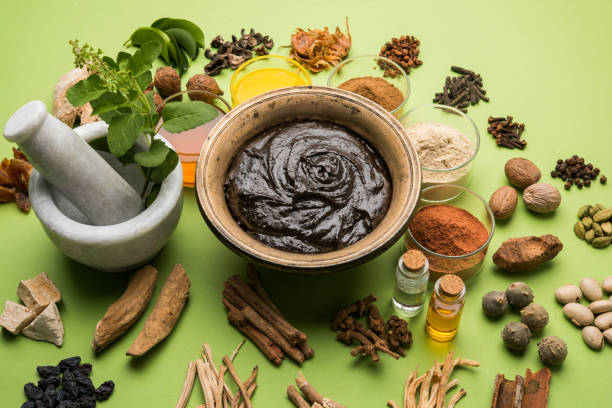
The Ultimate Ayurvedic Detoxification & Rejuvenation Therapy
Panchakarma is the most comprehensive purification and rejuvenation therapy described in Ayurveda. The word “Pancha” means five and “Karma” means procedures. Together, Panchakarma refers to the five classical therapeutic procedures that cleanse the body of accumulated toxins (Ama), balance the three Doshas—Vata, Pitta and Kapha—and restore the body’s natural healing mechanisms.
Unlike conventional treatments that often focus on relieving symptoms, Panchakarma aims to eliminate the root cause of disease. By removing deep-seated toxins and correcting physiological imbalances, it promotes long-term health, prevents recurrence of disease, and enhances overall physical, mental and emotional well-being.
At Dr. Rao’s Ayurveda Hospital & Panchakarma Centre, Panchakarma is performed under the direct supervision of experienced Ayurvedic physicians using authentic Kerala Panchakarma techniques, classical herbal medicines and individualized treatment protocols tailored to every patient’s constitution (Prakriti) and disease condition.
“True health is not adding more, but removing what no longer serves the body – Panchakarma shows the way.”
What is Panchakarma?
According to Ayurveda, improper diet, stress, pollution, sedentary lifestyle and unhealthy habits lead to the accumulation of toxins (Ama) within the body. These toxins disturb the balance of the Doshas and eventually manifest as disease.
Panchakarma is a scientifically designed process of internal purification that removes these accumulated toxins through the body’s natural channels after proper preparation with Snehana (Oleation Therapy) and Swedana (Sudation Therapy).
Apart from detoxification, Panchakarma nourishes body tissues, improves metabolism, strengthens immunity, enhances digestion, rejuvenates the nervous system and slows the ageing process.
It is recommended both as a curative treatment for chronic diseases and as a preventive healthcare measure for healthy individuals seeking long-term wellness.
Why Choose Panchakarma?
Panchakarma is considered the gold standard of Ayurvedic treatment because it not only relieves symptoms but restores the body’s natural balance.
Benefits of Panchakarma
✔ Eliminates accumulated toxins (Ama) from the body
✔ Balances Vata, Pitta and Kapha Doshas
✔ Corrects the root cause of chronic diseases
✔ Strengthens digestion and improves metabolism
✔ Boosts immunity and disease resistance
✔ Improves blood circulation and lymphatic drainage
✔ Reduces chronic inflammation and pain
✔ Enhances flexibility and joint mobility
✔ Improves sleep and mental relaxation
✔ Reduces stress, anxiety and fatigue
✔ Promotes healthy skin and hair
✔ Helps in weight management
✔ Delays ageing and improves vitality
✔ Enhances fertility and reproductive health
✔ Improves overall quality of life
One of the unique principles of Panchakarma is “Na Punarudbhava”, meaning the disease is less likely to recur because the root cause has been addressed rather than merely suppressing the symptoms.
Who Can Benefit from Panchakarma?
Panchakarma is beneficial for a wide range of acute and chronic disorders, including:
Musculoskeletal Disorders
- Osteoarthritis
- Rheumatoid Arthritis
- Cervical Spondylosis
- Lumbar Spondylosis
- Sciatica
- Frozen Shoulder
- Slip Disc
- Muscle Spasm
Neurological Disorders
- Paralysis
- Facial Palsy
- Parkinsonism
- Multiple Sclerosis
- Neuropathy
Lifestyle Disorders
- Diabetes
- Obesity
- Fatty Liver
- Hypertension (supportive care)
- Metabolic Syndrome
Digestive Disorders
- Hyperacidity
- Gastritis
- Irritable Bowel Syndrome
- Chronic Constipation
- Indigestion
Skin Disorders
- Psoriasis
- Eczema
- Acne
- Vitiligo
- Allergic Skin Diseases
Respiratory Disorders
- Asthma
- Chronic Sinusitis
- Allergic Rhinitis
Women’s Health
- PCOS
- Infertility
- Menstrual Disorders
Mental Wellness
- Stress
- Anxiety
- Depression
- Insomnia
Preventive Healthcare
Healthy individuals can undergo Panchakarma annually to maintain optimum health, improve immunity, increase energy levels and delay ageing.
When Should Panchakarma Be Done?
Ayurveda recommends Panchakarma as a seasonal purification therapy because seasonal changes naturally influence the Doshas.
Season | Recommended Therapy |
Winter (Hemanta) | Abhyanga |
Spring (Vasanta) | Vamana, Virechana, Nasya, Basti |
Rainy Season (Varsha) | Basti |
Autumn (Sharad) | Virechana & Raktamokshana |
Even outside these seasons, Panchakarma can be performed whenever clinically indicated after consultation with an Ayurvedic physician.
Healthy individuals are advised to undergo Panchakarma at least once a year, while patients with chronic diseases may require treatment more frequently depending on their condition.
The Five Classical Panchakarma Therapies
Once the body’s toxins have been mobilized, gentle therapies are used to release them from the body. The treatment includes a day of purgation and rest.
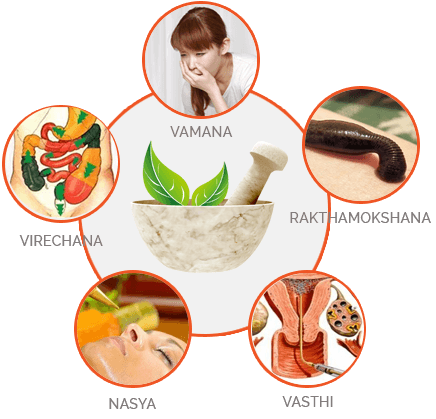
- Vamana (Therapeutic Emesis)
Vamana is a medically supervised therapeutic procedure in which excess Kapha Dosha is expelled through controlled emesis. After proper internal and external oleation followed by fomentation, specially selected herbal medicines are administered to induce cleansing.
Indications
- Asthma
- Chronic cough
- Allergic rhinitis
- Sinusitis
- Obesity
- Skin diseases
- Hyperlipidaemia
Benefits
- Clears excess mucus
- Improves respiratory function
- Reduces allergies
- Enhances digestion
- Prevents recurrent Kapha disorders
Vamana is performed only after careful patient evaluation and is not advised for children, elderly individuals, pregnancy, severe debility or serious cardiac conditions.
- Virechana (Therapeutic Purgation)
Virechana is a gentle yet highly effective detoxification procedure that eliminates aggravated Pitta Dosha through the lower gastrointestinal tract using herbal purgative medicines.
Indications
- Psoriasis
- Eczema
- Chronic skin diseases
- Liver disorders
- Hyperacidity
- Migraine
- Chronic constipation
Benefits
- Purifies the liver and intestines
- Improves digestion
- Clears skin disorders
- Reduces inflammation
- Promotes healthy metabolism
- Basti (Medicated Enema Therapy)
Basti is regarded as the King of Panchakarma because of its profound therapeutic effects on Vata Dosha, which governs movement, nervous system function and ageing.
Herbal decoctions, medicated oils or both are administered through the rectum using specialized techniques.
Indications
- Arthritis
- Low Back Pain
- Sciatica
- Cervical Spondylosis
- Paralysis
- Infertility
- Neurological Disorders
Benefits
- Nourishes joints and muscles
- Improves mobility
- Strengthens nerves
- Enhances digestion
- Delays ageing
- Improves reproductive health
Ayurvedic classics even describe Basti as “Ardha Chikitsa” (Half of all treatments) because of its wide range of therapeutic benefits.
- Nasya (Nasal Therapy)
Nasya involves administering medicated oils, herbal juices or powders through the nostrils. Since Ayurveda considers the nose as the gateway to the head, Nasya effectively treats disorders above the clavicle.
Indications
- Migraine
- Sinusitis
- Cervical Pain
- Hair Fall
- Facial Paralysis
- Sleep Disorders
- Stress
Benefits
- Clears nasal passages
- Improves memory and concentration
- Strengthens sensory organs
- Relieves headaches
- Promotes healthy hair growth
- Raktamokshana (Blood Purification Therapy)
Raktamokshana is a specialized para-surgical Ayurvedic procedure performed in selected conditions where vitiated blood contributes to disease.
Indications
- Psoriasis
- Eczema
- Acne
- Gout
- Varicose Disorders
- Chronic Inflammatory Skin Diseases
Benefits
- Purifies blood
- Reduces inflammation
- Accelerates healing
- Improves skin health
Specialized Kerala Panchakarma Therapies
Along with the classical Panchakarma procedures, we offer a comprehensive range of traditional Kerala Ayurvedic therapies designed for pain management, rejuvenation and disease-specific care.
These include:
- Abhyanga
- Elakizhi
- Njavarakizhi
- Pizhichil
- Shirodhara
- Takradhara
- Kashayadhara
- Dhanyamla Dhara
- Kati Vasti
- Greeva Vasti
- Janu Vasti
- Uro Vasti
- Pichu
- Lepam
- Upanaha
- Avagaha Sweda
- Talam
- Thalapothichil
- Shirovasti
- Karna Poorana
- Netra Dhara
- Netra Tarpana
- Udwartana
- Utsadanam
Each therapy is carefully selected after a detailed Ayurvedic consultation and customized according to the patient’s age, body constitution, disease stage and overall health.
Why Choose Rao Ayurveda Hospital& Panchakarma Centre?
- Experienced Ayurvedic Physicians
- Authentic Kerala Panchakarma Protocols
- Individualized Treatment Plans
- Certified Male & Female Therapists
- Hygienic and Well-equipped Panchakarma Suites
- Classical Ayurvedic Medicines
- Comprehensive Dietary and Lifestyle Guidance
- Holistic Care for Chronic, Lifestyle and Degenerative Disorders
- Decades of Trusted Ayurvedic Excellence
Our goal is not only to treat disease but to restore harmony between the body, mind and spirit, helping every patient achieve lasting health and a better quality of life.
Begin Your Healing Journey Today
Whether you are seeking relief from a chronic illness, recovery from a lifestyle disorder, or simply wish to rejuvenate your body and mind, Panchakarma offers a safe, natural and time-tested solution.
Experience authentic Ayurvedic healing at Dr. Rao’s Ayurveda Hospital & Panchakarma Centre, where tradition meets compassionate, evidence-informed care
More Information
+91 9342357172
Quick Links
Support Center
Copyright © 2026 Dr. Rao Ayurveda Hospital, All rights reserved.
Powered by WebMaya.