
Obesity (Excess Body Weight)
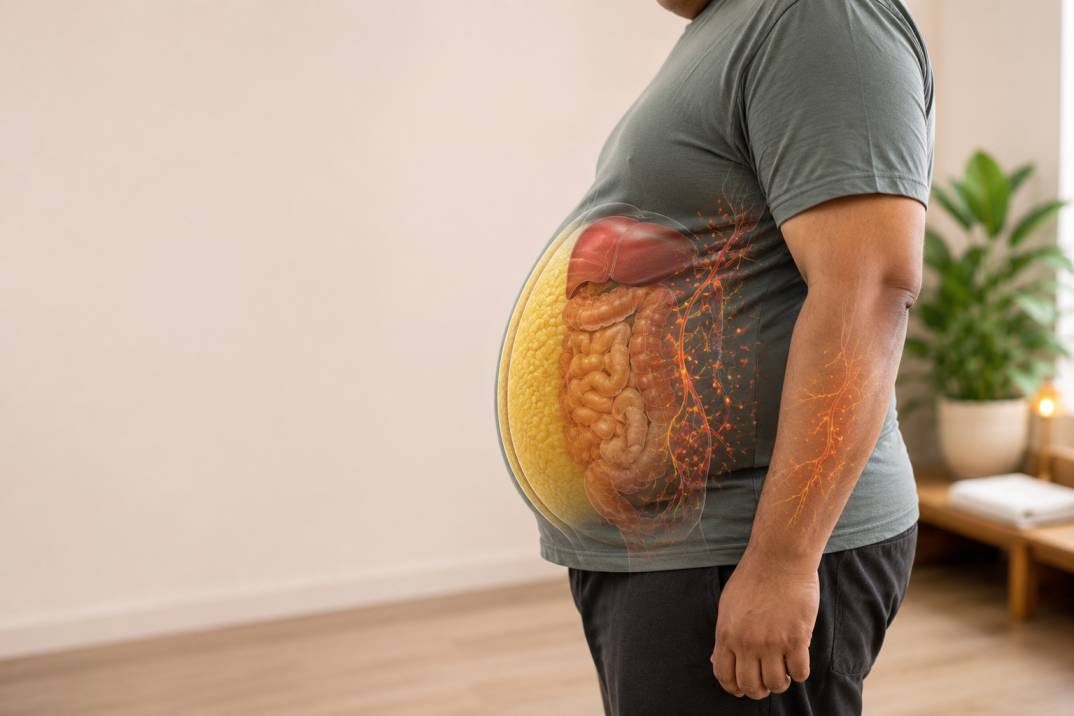
Obesity is a chronic health condition characterized by excessive accumulation of body fat that adversely affects overall health and increases the risk of multiple diseases. It is not merely a cosmetic concern but a complex metabolic disorder influenced by lifestyle, dietary habits, hormonal balance, and genetic factors.
With modern sedentary lifestyles, unhealthy eating patterns, and increasing stress levels, obesity has become a major global health concern affecting both adults and children. If left unmanaged, it can significantly impact physical health, mental well-being, and quality of life.
Understanding Obesity
Obesity is commonly assessed using Body Mass Index (BMI), which is calculated based on height and weight:
- Normal weight: BMI 18.5 – 24.9
- Overweight: BMI 25 – 29.9
- Obesity: BMI ≥ 30
Excess fat accumulation, particularly around the abdomen (central obesity), is strongly associated with higher health risks.
Causes & Risk Factors
Obesity is a multifactorial condition resulting from an imbalance between calorie intake and energy expenditure:
- Unhealthy Diet: High intake of processed foods, sugars, and fats
- Sedentary Lifestyle: Lack of physical activity and prolonged sitting
- Hormonal Imbalances: Thyroid disorders, insulin resistance, PCOS
- Genetic Predisposition
- Stress & Emotional Eating
- Poor Sleep Patterns
- Certain Medications: Steroids, antidepressants
Health Risks Associated with Obesity
Obesity increases the risk of several serious health conditions:
- Type 2 Diabetes
- Hypertension (high blood pressure)
- Heart disease and stroke
- Joint disorders (knee pain, osteoarthritis)
- Fatty liver disease
- Hormonal imbalances (PCOS, infertility)
- Sleep apnea
- Reduced immunity and chronic fatigue
Symptoms & Clinical Features
- Excess body weight and increased body fat
- Breathlessness on exertion
- Easy fatigability
- Excessive sweating
- Joint pain, especially in knees and back
- Reduced mobility and stamina
Ayurvedic Perspective
In Ayurveda, obesity is described as Sthoulya, a condition caused by imbalance of Kapha Dosha and impaired metabolism.
- Excess intake of heavy, oily, sweet foods increases Kapha
- Reduced digestive fire (Agni) leads to improper metabolism
- Accumulation of Meda Dhatu (fat tissue) results in weight gain
This leads to sluggish metabolism, lethargy, and gradual accumulation of excess body fat.
Ayurvedic Treatment Approach
Our approach focuses on correcting metabolism, reducing excess fat, and restoring overall balance.
🔹 Dietary Management (Pathya Ahara)
- Low-calorie, light, and easily digestible diet
- Inclusion of high-fiber foods, millets, fruits, and vegetables
- Avoidance of sugar, fried foods, junk food, and overeating
- Use of warm water and metabolism-boosting spices
🔹 Therapeutic Procedures
- Udvartana (Dry Powder Massage):
Helps reduce subcutaneous fat, improves circulation, and enhances metabolism
- Swedana (Sudation Therapy):
Promotes sweating and detoxification
- Virechana (Purgation Therapy):
Eliminates excess Pitta and toxins
- Basti Therapy:
Helps regulate metabolism and balance Doshas
🔹 Herbal Support
- Triphala: Detoxifies and improves digestion
- Guggulu: Supports fat metabolism and reduces lipid levels• Trikatu (Pippali, Maricha, Shunti): Enhances metabolic activity
- Musta & Vidanga: Help in fat reduction and digestion
Lifestyle & Preventive Measures
- Engage in regular physical activity (walking, yoga, exercise)
- Maintain a structured daily routine
- Avoid day sleep (especially in Kapha-dominant individuals)
- Practice mindful eating and portion control
- Manage stress through meditation and breathing techniques
- Ensure adequate and quality sleep